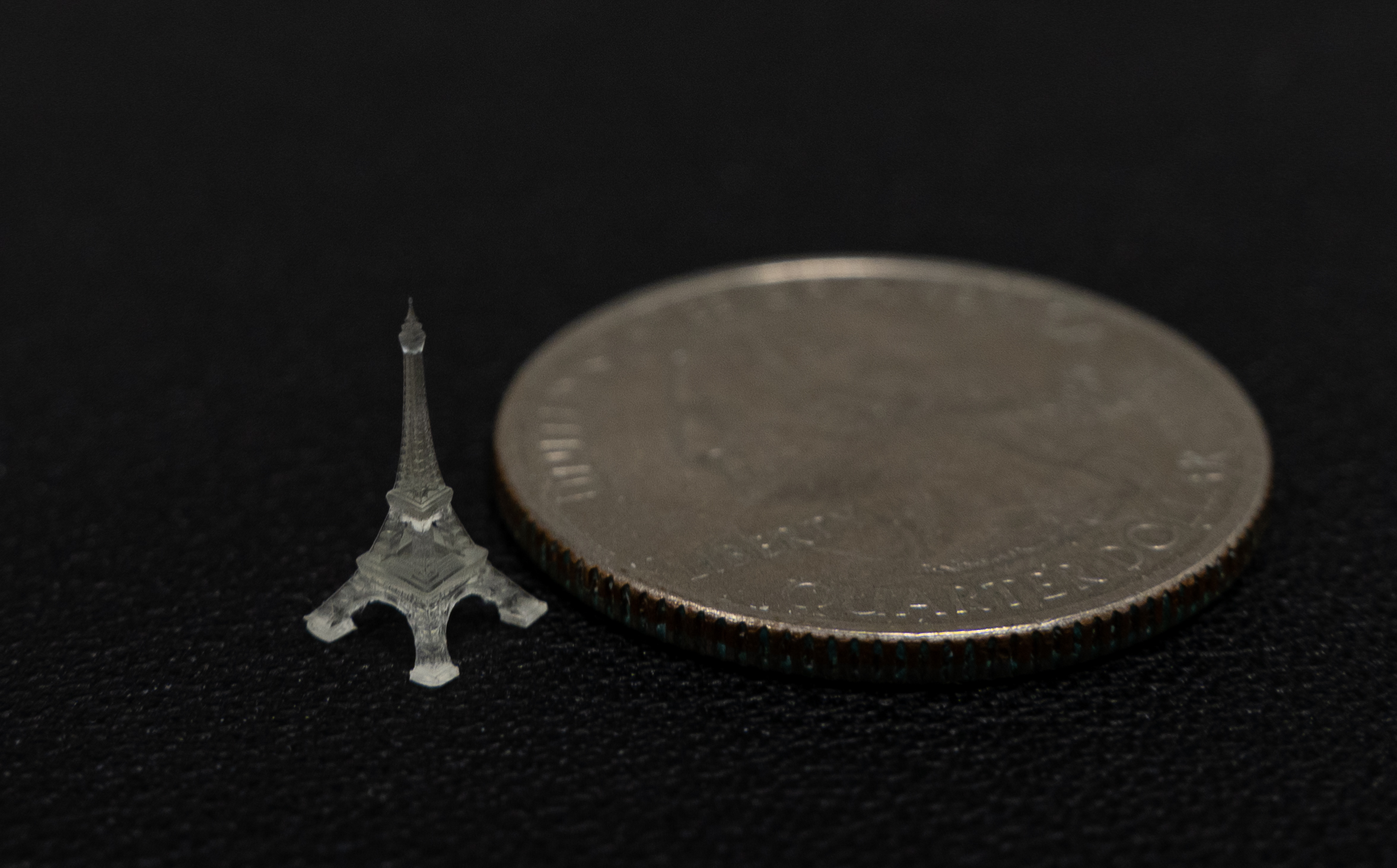
Advanced Manufacturing and Functional Devices Lab
Exploring novel micro/nano 3D printing technologies, mechanical and electromagnetic metamaterials, and functional devices.
We always look for highly motivated graduate students with a solid background and hands-on experience in one or multiple areas: 3D printing, micro/nanoelectronics, optics, mechanics, and hardware interface.
Our group aims to develop innovative technologies in pushing the capabilities into a whole new dimension, including advanced manufacturing, novel photonic devices, as well as high efficiency energy conversion systems.
We’re hiring!
We’re currently recruiting fully funded PhD students to work on 1. advanced photopolymerization-based 3D printing processes and system optimization (preferably with a background in mechanical manufacturing or optics); 2. printable functional materials, including multifunctional hydrogels, liquid crystal elastomers, and composite materials.
Please send the following documents to [[email protected]] (subject line: PhD Application – [Your Name])
1️⃣ Cover letter describing your research interests, background, and career goals
2️⃣ CV or resume
3️⃣ Academic transcripts (unofficial acceptable for initial review)
4️⃣ Contact info for 2–3 references
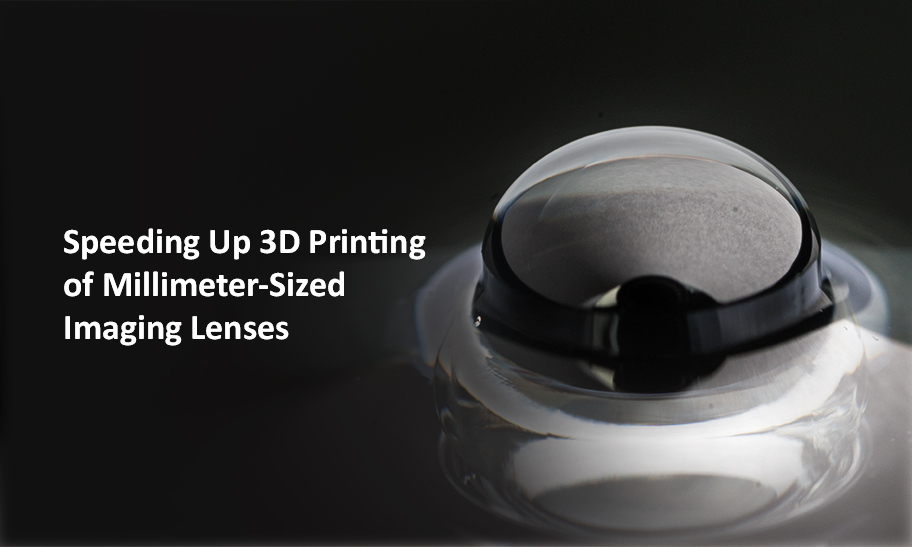
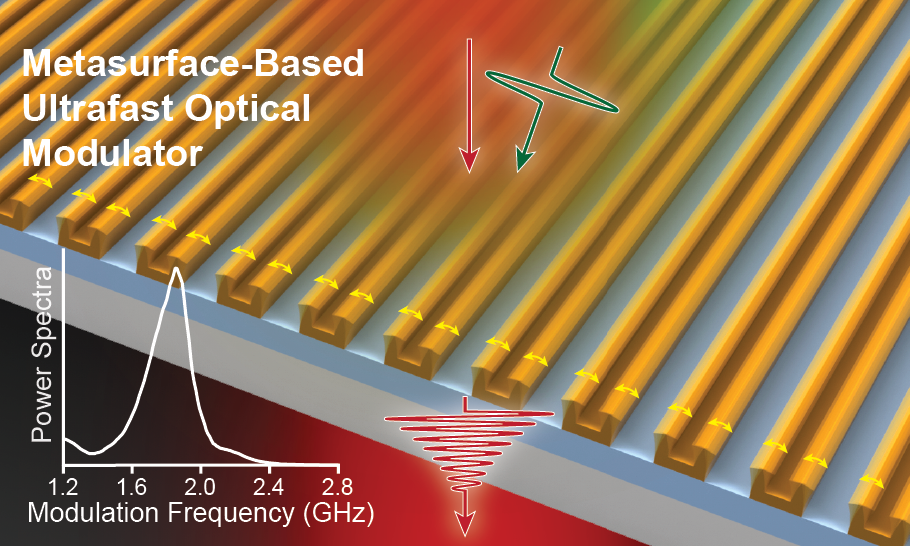
Latest News
-
Award: Congrats to Dr. Chen
Dr. Chen got the 2024 Susan Smyth Outstanding Young Manufacturing Engineers Award, Congratulations!
-
Dr. Xiangfan Chen has been selected as the editorial board member for the journal: npj advanced manufacturing
2023/11/01, Dr. Xiangfan Chen has been selected as the editorial board member for the journal: npj advanced manufacturing. (About the Editors | npj Advanced Manufacturing (nature.com)) Journal’s Aims & Scope npj Advanced Manufacturing is an online, open-access journal dedicated to progressing the field of advanced manufacturing. Our primary objective is to provide a global platform…
-
Congratulations to Siying Liu for publishing paper on Advanced Optical Materials!
Congratulations to Siying Liu for publishing paper on Advanced Optical Materials to report a robust optical data encryption technique utilizing polymer-stabilized-liquid-crystals (PSLCs) combined with projection photoalignment and photopatterning methods. A novel, generalized design strategy is developed, for the first time, to encode intricate and exclusive information with enhanced security by spatially programming the photoalignment patterns…
Acknowledgement
We would like to sincerely thank our sponsors for their generous support!
