Why work in this field

|



There are so many wonderful aspects of life which guide us in establishing our long-term personal goals and objectives. My wife, children, parents, family, and friends are clearly my prime source of joy, interest, and responsibility. I also think about our role in the local, cultural, and global society. Some of my areas of interest and philosophical motivations deal with working toward improving the quality of life for others who have not been as blessed as I have been. The following are mostly open ended questions which shape my thoughts and form the role I wish to play in my profession.
What is my role as a civil engineer in addressing the impediments to the global development and improvements in the quality of life during the next few decades?
Our society uses in excess of 6 billion tons of concrete products per year worldwide. That is one ton per person per year. This results in a staggering consumption of energy, raw materials, transportation costs and the use of natural resources associated with such a high demand. This need is so essential that we have effectively downplayed the fact that cement production is a major point source contributor to green house gas generation. Nearly one ton of CO2 is produced for each ton of portland cement manufactured [cement and Concrete Environmental Considerations, Green house gases, PDF file]. Few people within construction materials community have used their clarity and technical ability to raise such questions regarding the sustainability of our consumption during the past several years [See P.K. Mehta’s Articles BuildingGreen]. This discussion is the first moral argument: can this level of demand be sustained even if we limit our consumption numbers to the needs of the next two generations only?
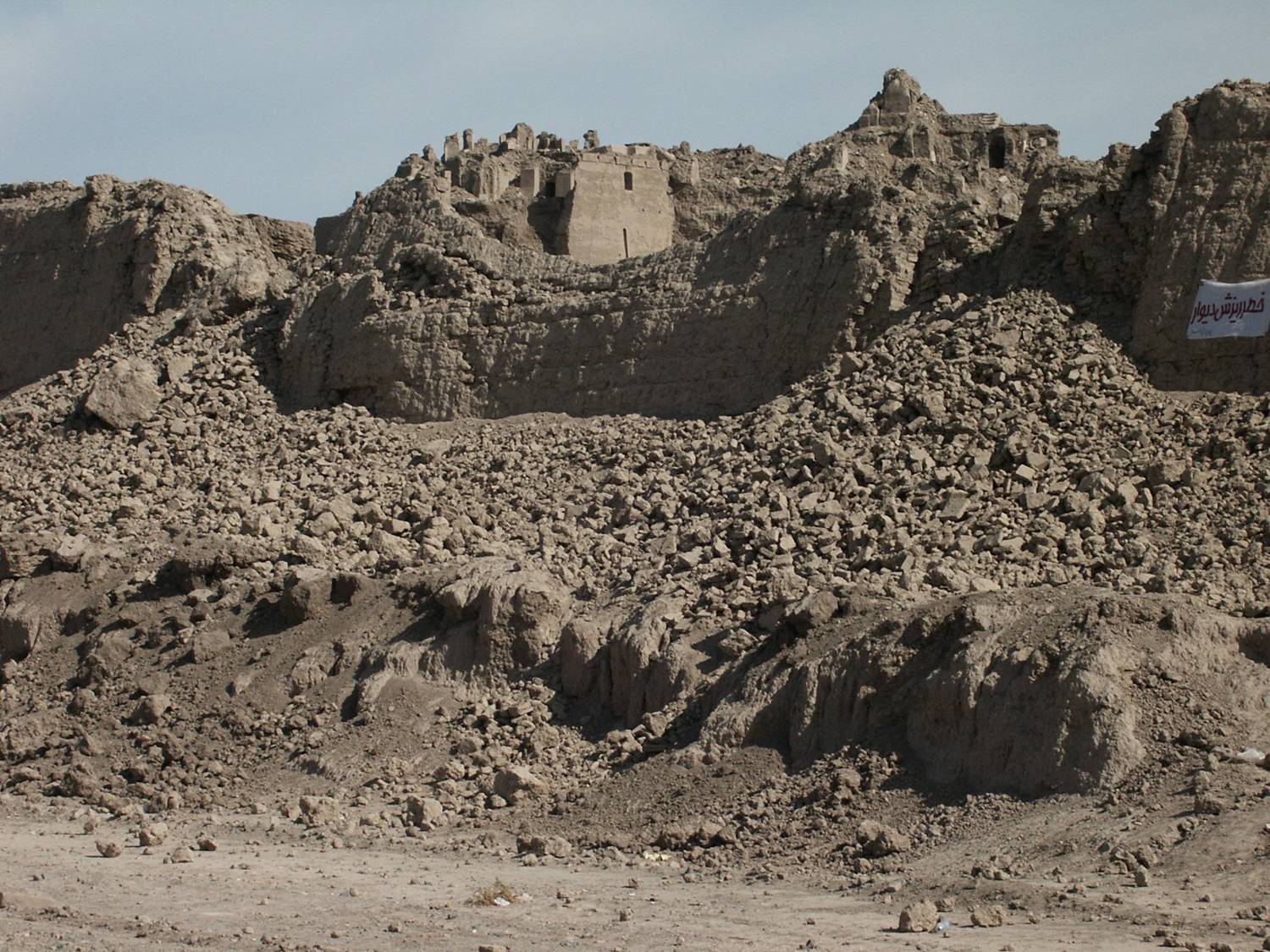
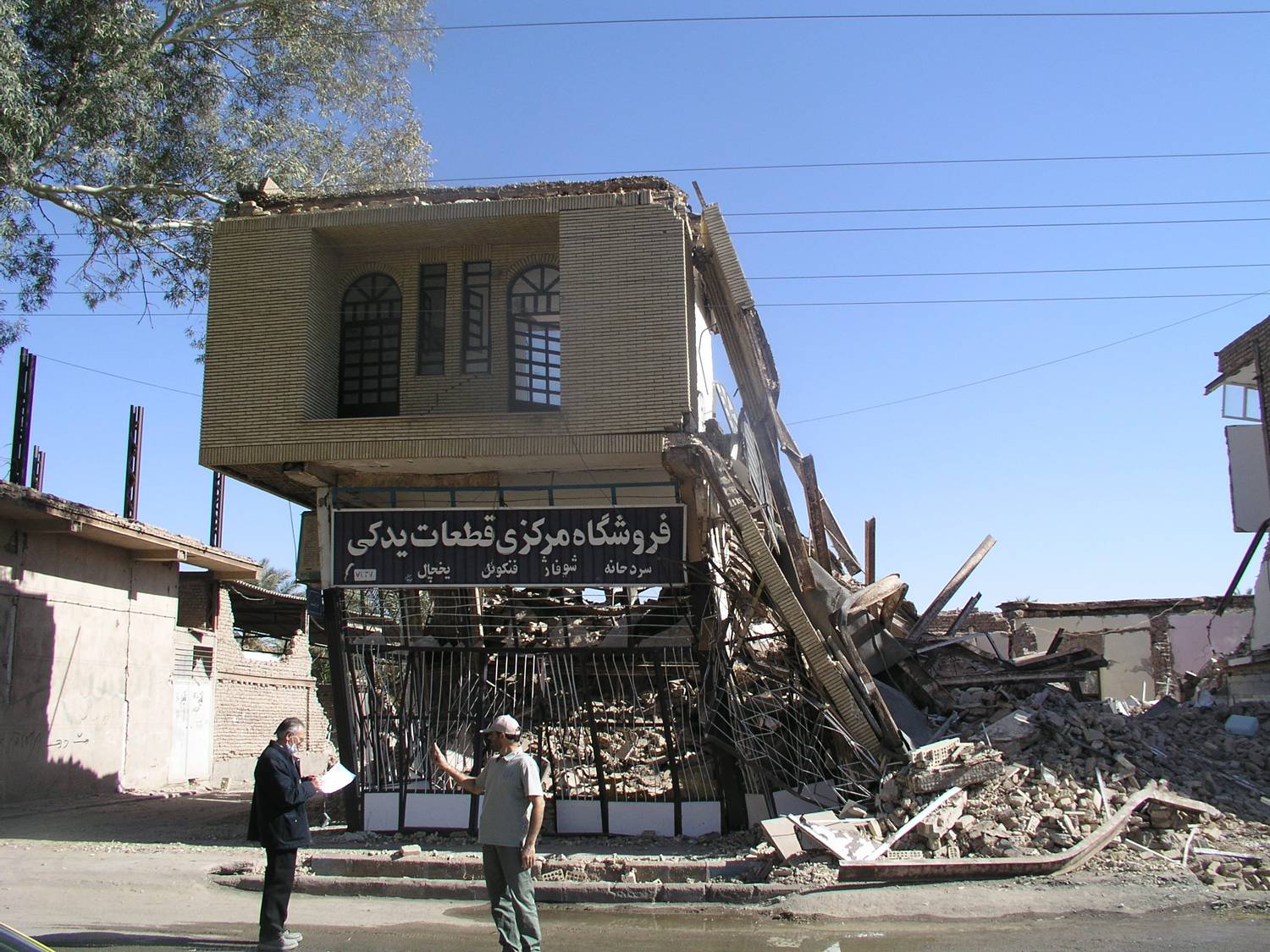
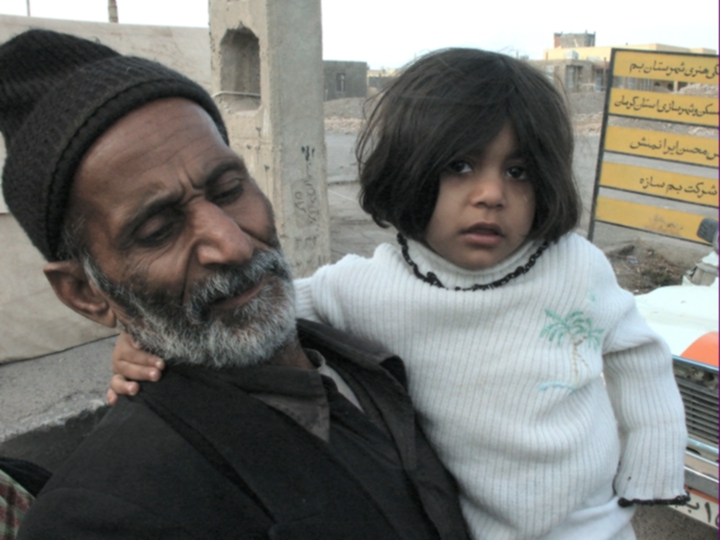
The second moral question deals with poverty and quality of life issues. According to UN-Habitat estimates 924 million people worldwide, or 31.6 percent of the global urban population, lived in slums in 2001. In the next thirty years, this figure is projected to double to almost 2 billion, unless substantial policy changes are put in place. One has to appreciate that Poverty in America is quite different than poverty in the rest of the world. Forty-six percent of all poor households in US actually own their own homes .The average home owned by persons classified as poor by the Census Bureau is a three-bedroom house with one-and-a-half baths, a garage, and a porch or patio. The average poor American has more living space than the average individual living in Paris, London, Vienna, Athens, and other cities throughout Europe. The issue is not the size or quality of the shelter provided to a person since that is governed by environmental, cultural, and economical parameters. The main source of concern is a person’s ability to obtain the basic necessities of a: structurally safe, and financially secure shelter relative to the large percentage of their income invested in that property. If you have not traveled to or lived in many developing countries, you would have a hard time understanding the role that corruption plays at various organizational levels in undermining growth, development, safety, and equal opportunities for all. It simply tears at the fabric of the society. For Example, thousands died in earthquakes in Iran (Bam Earthquake, 2003) and Turkey (Izmit Earthquake, 1999) due to the construction failures. I had a life altering experience while visiting the devastated regions of Bam, Iran almost ten days after the earthquake of 2003 hit the region. We were traveling with a panel of civil engineers and architects and documenting some of the construction failures. At one of the sites as I was taking pictures along a collapsed building, an elderly man who was clearly an earthquake survivor stopped to ask me for directions. He was holding his young daughter in his arms as he told me that he has been walking all day looking for one of the makeshift NGO establishments offering humanitarian aid and shelter. I apologized to him for not being familiar with the area, the child sighed and let out a cry as if she had heard that answer all day from various strangers such as me. There were little tear drops though, clearly indicating the emotional pain of a child. I offered to pay him some money, but he adamantly refused. He went on to say that he had a wife and five kids, he had lost them all but that little girl. I asked for his permission to have his picture taken with his daughter as we parted. He agreed and went on to say: “All I have is her.” How do you define a weapon which in a mere 12 second duration of an earthquake claimed the lives of almost 50,000 people? The weapons of mass destruction are not limited to nuclear, chemical, or biological. Lack of opportunity for proper education is also a weapon of mass destruction. All the experiences of an uneducated person who has for years built houses in consideration to gravity loads, cannot immune him/her from the lateral loads of an earthquake or Tsunami. Lack of respect for the rules of fundamental laws of chemistry, mechanics, and physics, coupled with greed, corruption, and laziness to adopt accepted construction methodologies had gotten us there. As he left, I saw the enormous destruction of all those buildings as the weapons which had shattered the lives, hopes, and dreams of thousands. Money will not solve all the problems. Some lucky ones may get monetary handouts which they’ll use to build exactly similar types of shelter, only to lose them during the next natural disaster.
These earthquakes, would not have been so devastating in terms of human loss, if only basic construction codes had been adhered to. That is perhaps why despite all the goodwill, and all the resources made available to many poor and underdeveloped regions of the world, so much misery still remains, while the corrupt elements get rich. I feel that freedom, liberty, and all the democratic processes which we hold so dear to our life, become meaningless in any region if a fair, transparent, and accountable system free from individual or organizational corruption is not operational. That is a fascinating struggle that few people address, acknowledge, and document [Hernando de Soto ]. While I can not do much about eradicating corruption and establishing the rule of law, I have to assume that we live in an idealistic world where such objectives are attainable.
Let us then assume that we have a perfectly efficient system to distribute knowledge, aid, healthcare, and therefore improve the quality of life for all those in need. We have to accept that even if all the money and resources were available for eradication of poverty through development, we would have to mobilize our resources to address the high demand for decent housing, transportation, infrastructure, and water distribution. How do we approach the right balance between this demand and the supply of materials and technologies? Would it be appropriate to simply increase our production capacity without looking into how we utilize the materials we make today? How can we sustain and insure the viability of cement and concrete production technologies? Are the current design approaches for construction which were developed almost 30 years ago too conservative, simplistic, and outdated? Why do natural disasters cause so much fatality and financial loss? Maybe construction corruption can be eradicated through rule of law, but the construction procedures still need to be reformed by none other than engineers. Should we continue to write the new codes based on our past comfortable margins of safety with marginal attention for science and engineering of materials? Do we need to implement life cycle cost analysis and failure mechanisms which extend beyond some elementary and simple laboratory controlled ASTM test procedures? While the auto, aerospace, electronics, and computer industries have benefited tremendously in the past fifty years through innovation, our construction procedures for single family homes have remained stagnant, and are still very rudimentary at best. Where are the innovations that can reduce the material and labor costs? Research and development budget in construction field is barely 0.5% of the value of its sales in R&D, whereas the national average for all other industries is close to 3 percent. With such limited resources in such a fragmented industry, our field only tries to keep up with the repair and maintenance of our existing infrastructure which is extremely under-funded. While some innovations do exist, the critical mass for flourishing of innovative ideas is simply not there. That is why innovations are so limited and when they are developed, it may takes years and decades for them to reach commercialization.
In light of these questions, one of my team’s approaches is to look at technologies that allow us to manufacture cement-based composite materials as thin elements (about 10 mm thickness), such as structural members, load resisting wall panels; exterior siding; roofing tiles; flooring tiles and pressure pipes. For such elements addition of reinforcement is essential in order to improve the tensile and flexural performance. Without reinforcement cement-based products are brittle and have high compressive strength but low tensile strength and low toughness. The materials our team has produced are as much as 10 times stronger and 1000 times more ductile than ordinary concrete materials. By increasing the mechanical strength, we would reduce the amount of material needed to support a certain load, reducing the demand for raw materials, reducing dead weight of structures, while increasing the resistance to earthquake, impact, wind load, and other natural or man made forces. That is what civil engineers have done for centuries, and that is what we shall do in the future.