Become a student research mentor
What student research programs need mentors?
Mentors are needed for three student research programs:
Fulton Undergraduate Research Initiative (FURI)
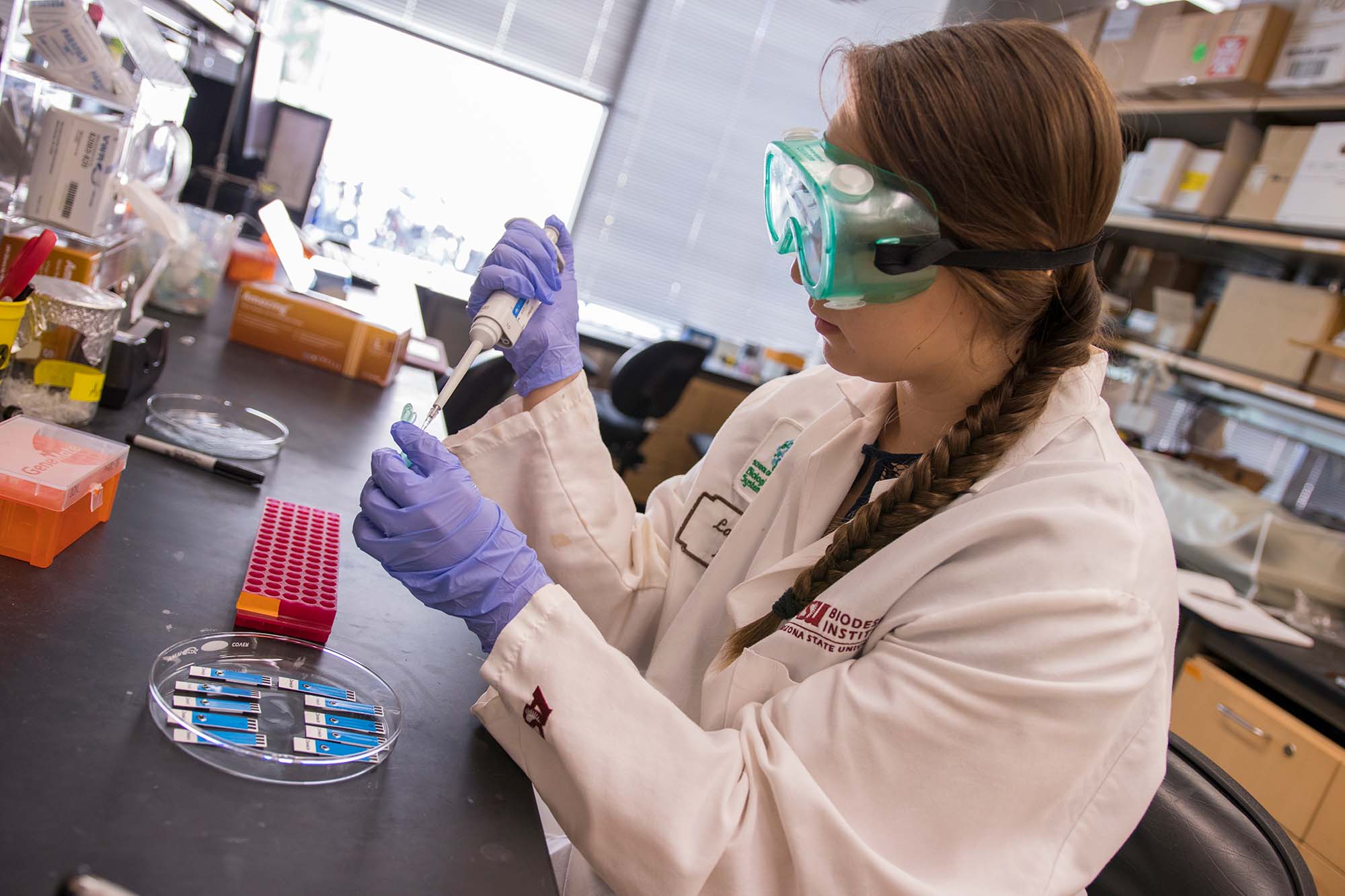
FURI undergraduate researchers may conduct research for up to two semesters in the Fall, Spring, or Summer.
Faculty who mentor FURI students receive a stipend for student research materials/costs and for their professional guidance. See details below.
Master’s Opportunity for Research in Engineering (MORE)
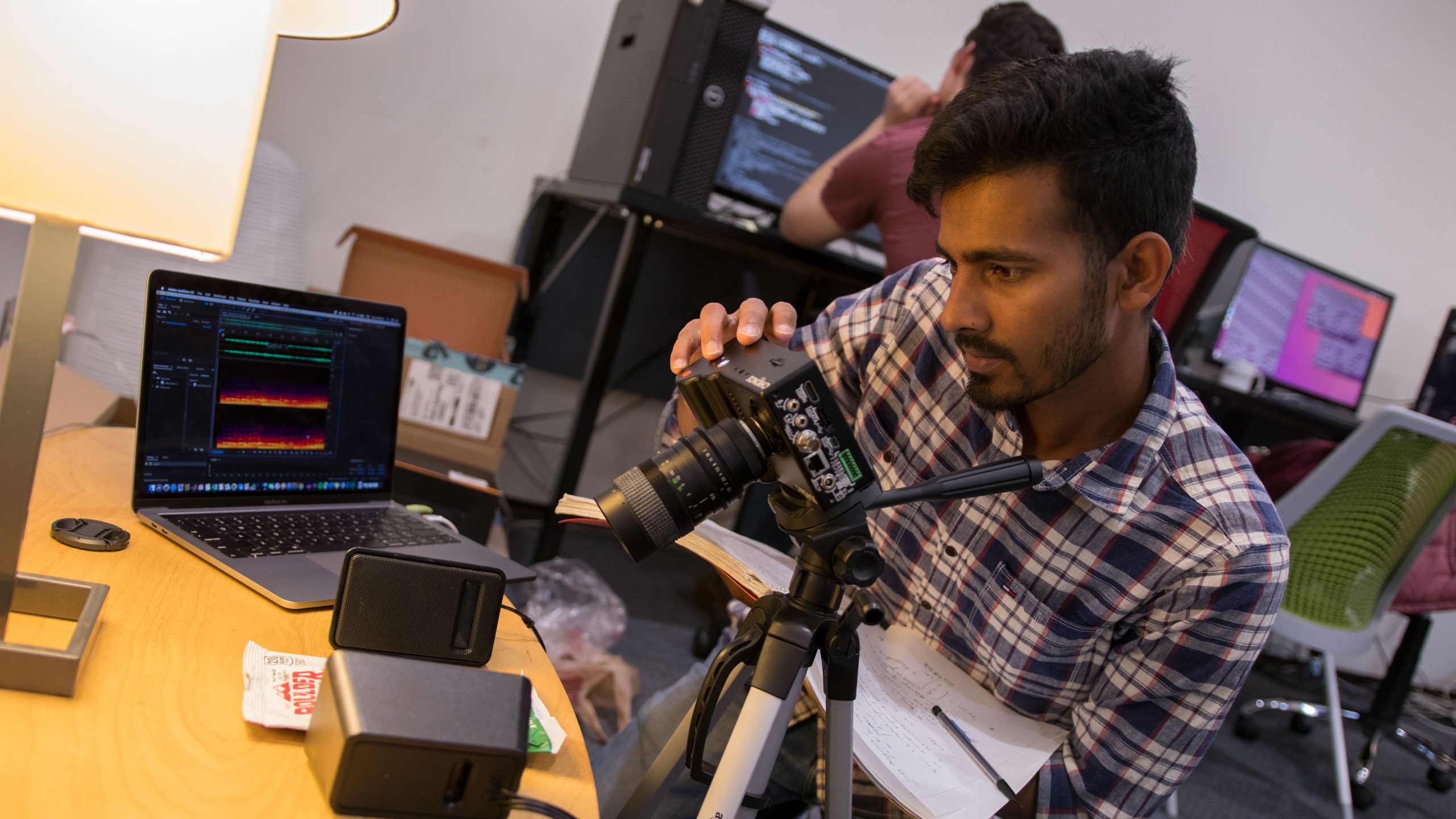
MORE master’s student researchers may conduct research for one semester in the Fall.
Faculty who mentor MORE students receive a stipend for student research materials/costs and for their professional guidance. See details below.
Grand Challenges Scholars Program (GCSP)
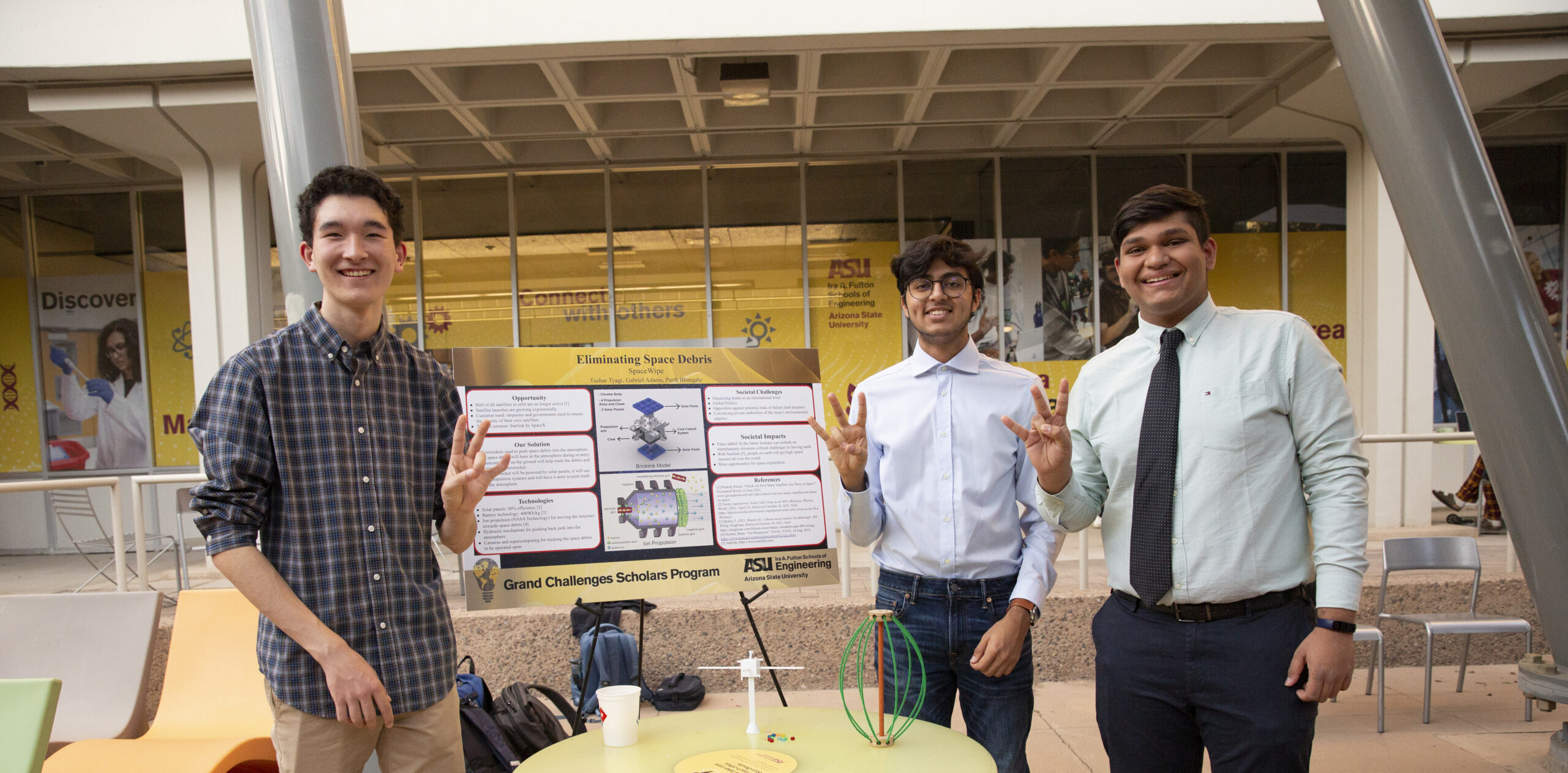
Undergraduates in the GCSP program perform research with ASU faculty and can apply for the GCSP Research Stipend for Fall, Spring, or Summer.
Faculty who mentor GCSP students through the GCSP Research Stipend are invited to be designated as GCSP Faculty.
For more information, or to become a GCSP research mentor, contact the GCSP directors.
Other research opportunities
In addition, you may mentor a student researcher without participating in these programs. Contact Michael Goryll, Associate Dean of Undergraduate Programs for more information.
The information below pertains to FURI and MORE mentoring.
There are a few requirements and many benefits to becoming a FURI or MORE student research mentor.
FURI and MORE mentoring requirements
All mentors in a research program must:
- Be a full-time faculty member in the Ira A. Fulton Schools of Engineering.
- Be present for the majority of the mentoring period (typically one semester). You may not be on sabbatical, leave, or extended vacation.
- Guide students through the application process to prepare competitive research proposals and endorse each application with a 1-page faculty submission before the deadline.
- Meet regularly with your students throughout the funded semester (approximately one hour per week).
- Review and approve student deliverables on time: this includes the research abstract and the research poster to be presented at the Fulton Forge Student Research Expo.
- Offer career advice and introduce professional development opportunities, such as submitting research to conferences, applying for travel grant funding, submitting papers for publication, and discussing other career goals.
Faculty who mentor students in the FURI and MORE programs receive $500 at the end of the semester when the student completes all program requirements.
Money is distributed as a transfer to the faculty member’s affiliated business office. Faculty mentors work with their business office on use and spending of the money.
Faculty can mentor up to five students per semester.
Ready to become a mentor?
The first step is to consider your available research project opportunities, then contact program staff for more information on how to connect with students: [email protected] (FURI) and [email protected] (MORE). You may also request to be featured on the Fulton Forge website as available for research mentorship through these programs by completing this form.
If a student submits an application with a plan to work with you on a project, you need to submit a Faculty Mentor Acknowledgment to endorse their proposal. If the faculty reviewer committee selects the application for funding, the student is accepted into the program and will be hired as a student worker for the duration of their participation. This allows them to place purchasing requests for the project if a supply budget was requested in the application.
FURI and MORE offer a limited number of funded spots, and you are welcome to consider student research opportunities through REU supplements, other funding sources, or volunteer positions.
A note on funding
You are encouraged to explore further funding opportunities, including grants, to support your researchers after the FURI- or MORE-funded semesters.
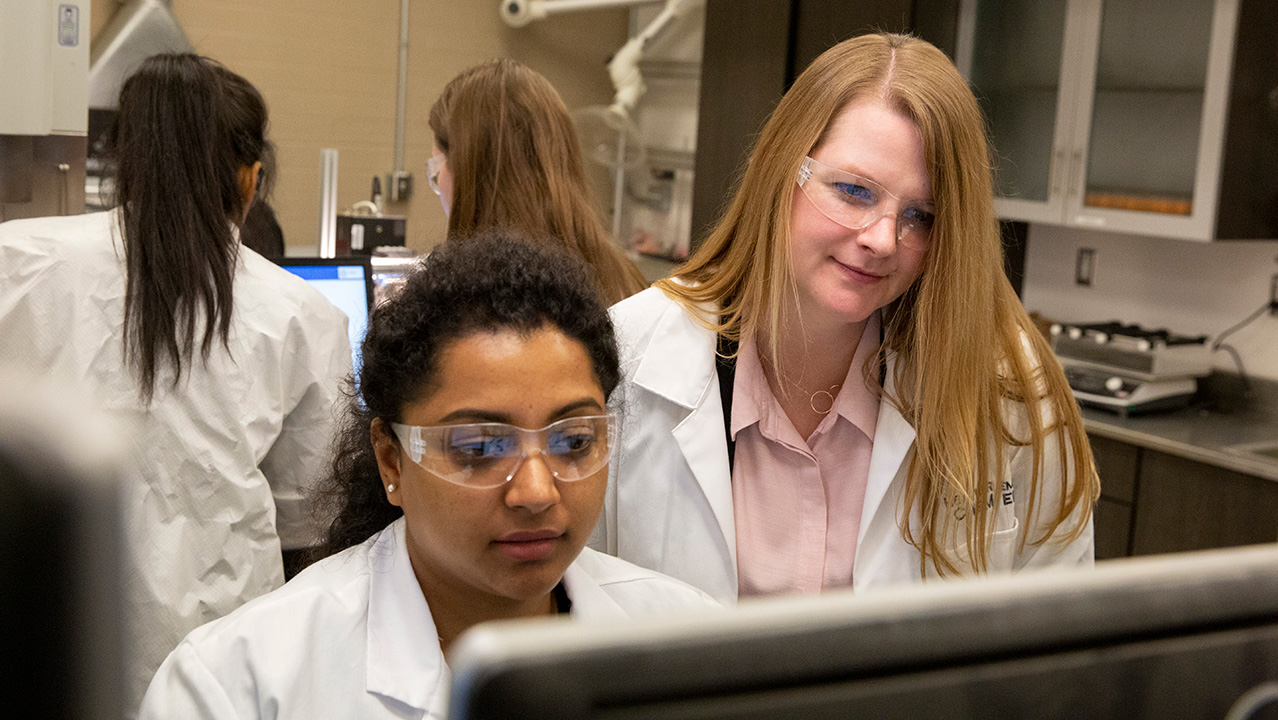
“Mentoring is an extremely rewarding experience, and it is the biggest reason I became a faculty member. I enjoy reading FURI students’ reflections and seeing their growth in learning the research process.”
Heather Emady
Associate professor and student research mentor
Contact us
Learn more about the FURI and MORE programs, the proposal process, and how to connect with student researchers.
Mentoring resources
- Team chemistry is key ingredient in formula for research success: The committee’s report, “Enhancing the Effectiveness of Team Science,” completed in 2015, emphasizes that successful science and engineering collaborations hinge not just on a high level of research expertise but also on organization, planning, management and communications skills — and on leadership that can instill a shared vision of the significance of the project goal.
- Five Effective Strategies for Mentoring Undergraduates: Students’ Perspectives from the Council on Undergraduate Research also has helpful information on how to be an effective mentor.